

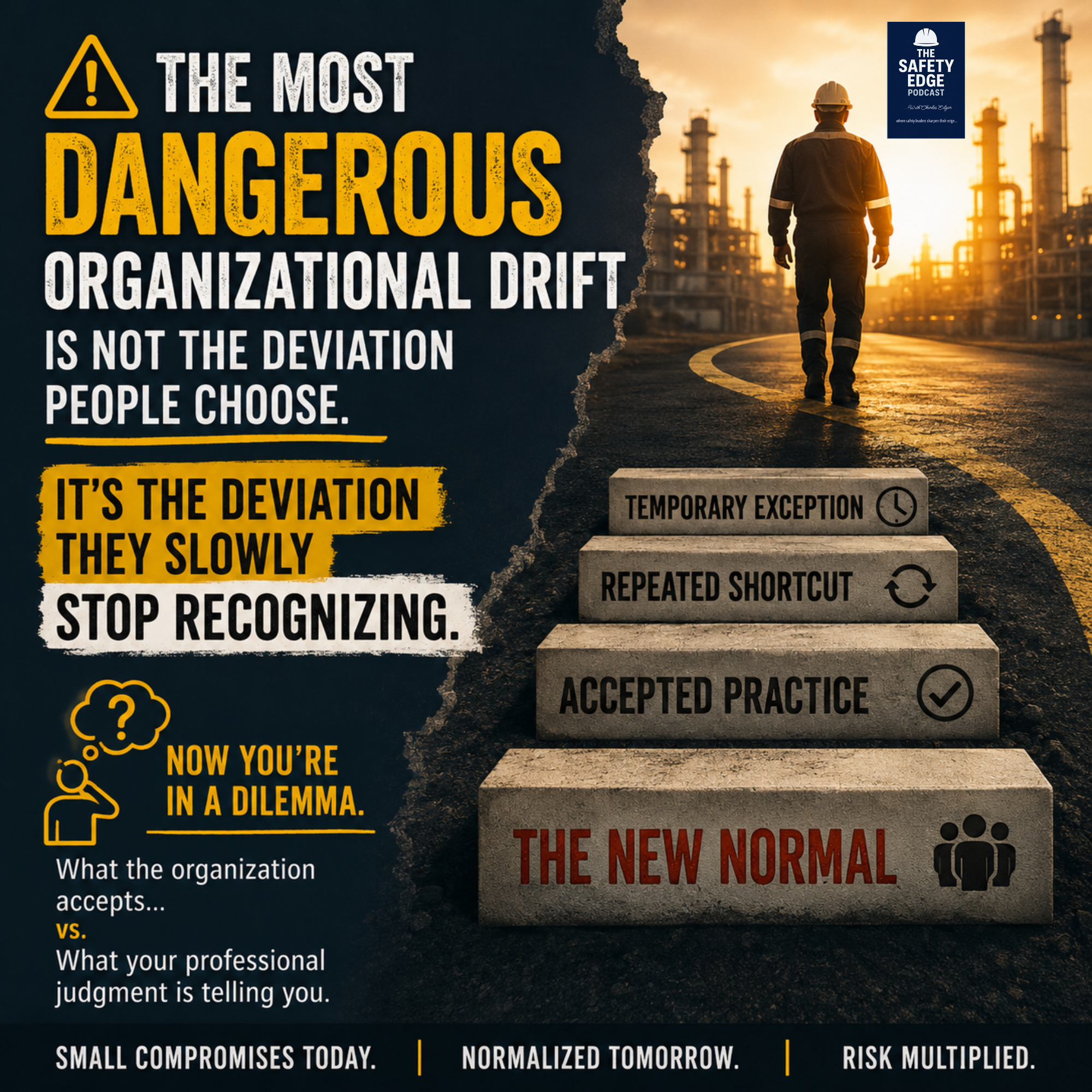
The Silent Drift: How Small Compromises Threaten Safety Culture
The Silent Killer of Great Organizations ⁉️
Not the Big Failures ❗ Tiny Compromises ‼️
🆘 Most organizations don't collapse overnight.
They drift... one small decision at a time.📍
Here's how it really happens:
🔹 Someone creates a quick workaround to meet a deadline.
🔹 A tiny shortcut becomes 'just this once.'
🔹 The exception quietly becomes the new rule.
At first? Nothing breaks. The work gets done. Everyone moves on.
But over time, these little compromises stack up.
👉 Standards slip.
👉 Culture erodes.
Suddenly, you're miles away from where you started, and nobody noticed the drift.
Ask yourself: 💭
🔸 Where have you accepted 'good enough' lately?
🔸 What tiny exceptions are becoming your team's new normal?
The fix: 🤩
🟢 Call out small compromises before they become habits.
🔵 Celebrate those who protect the standard, even under pressure.
🔴 Make the invisible visible. Talk about the drift.
P.S. What's one 'temporary workaround' you've seen become permanent? Drop it in the comments, let's learn from each other.
♻️ If this resonates, repost to help your network spot the drift before it's too late.
Why Strong People Leave Weak Systems
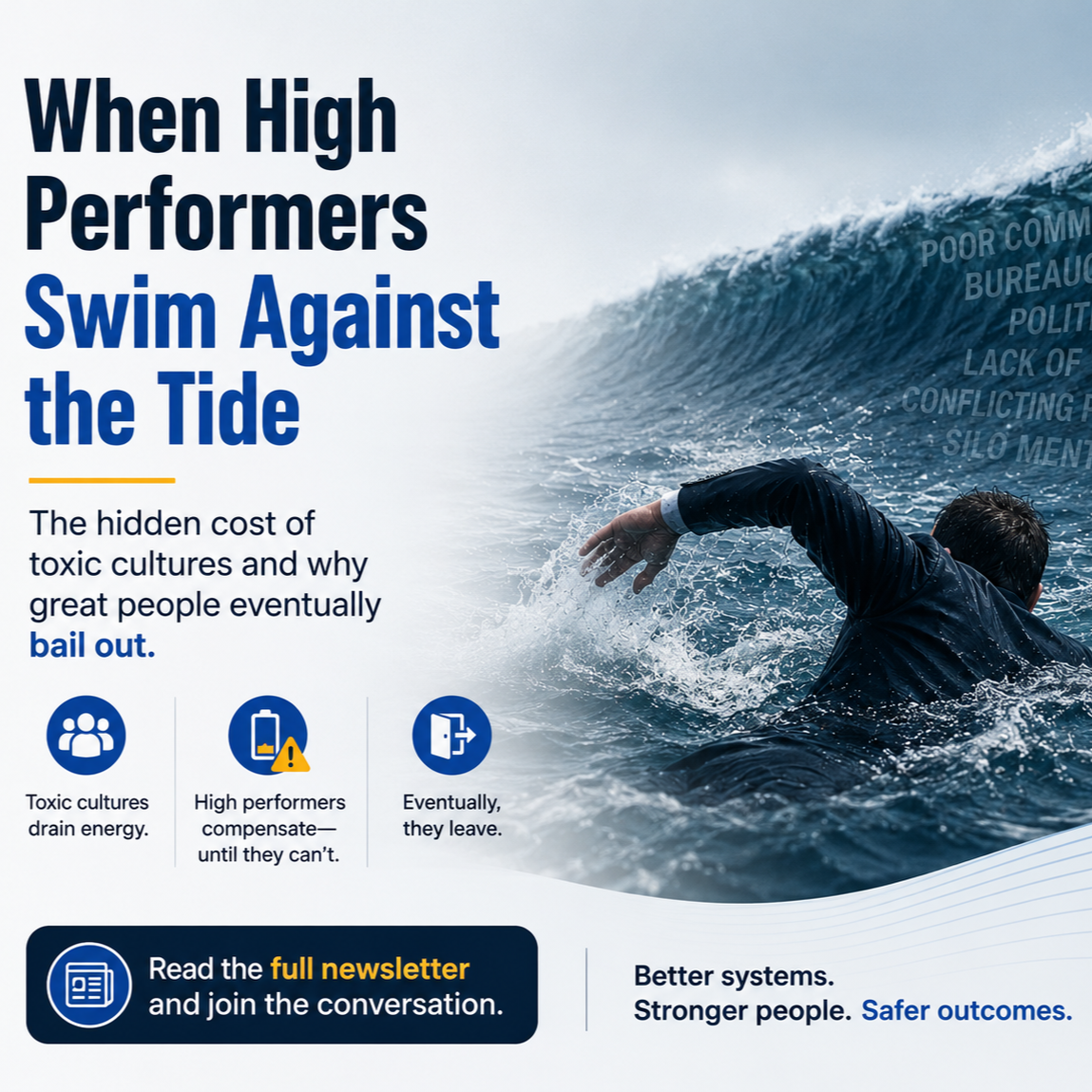
Sometime ago, I was engaged in a conversation about why some of the strongest people in organizations are also the most exhausted. 📍
.... Not because they lack capability, but because they are constantly compensating for systems, cultures, and leadership gaps that refuse to change.
Over time, work starts to feel less like contribution and more like swimming against the tide. 🔥
In this latest newsletter, I explore the hidden cost of toxic organizational cultures, the quiet burnout of high performers, and why many great employees eventually disengage or leave.
Because sometimes the issue is not the people.
It is the system exhausting them. 📌
👉 Read the full newsletter below and share your thoughts:
Where have you seen high performers carrying broken systems ⁉️
When Procedures Don't Match Reality
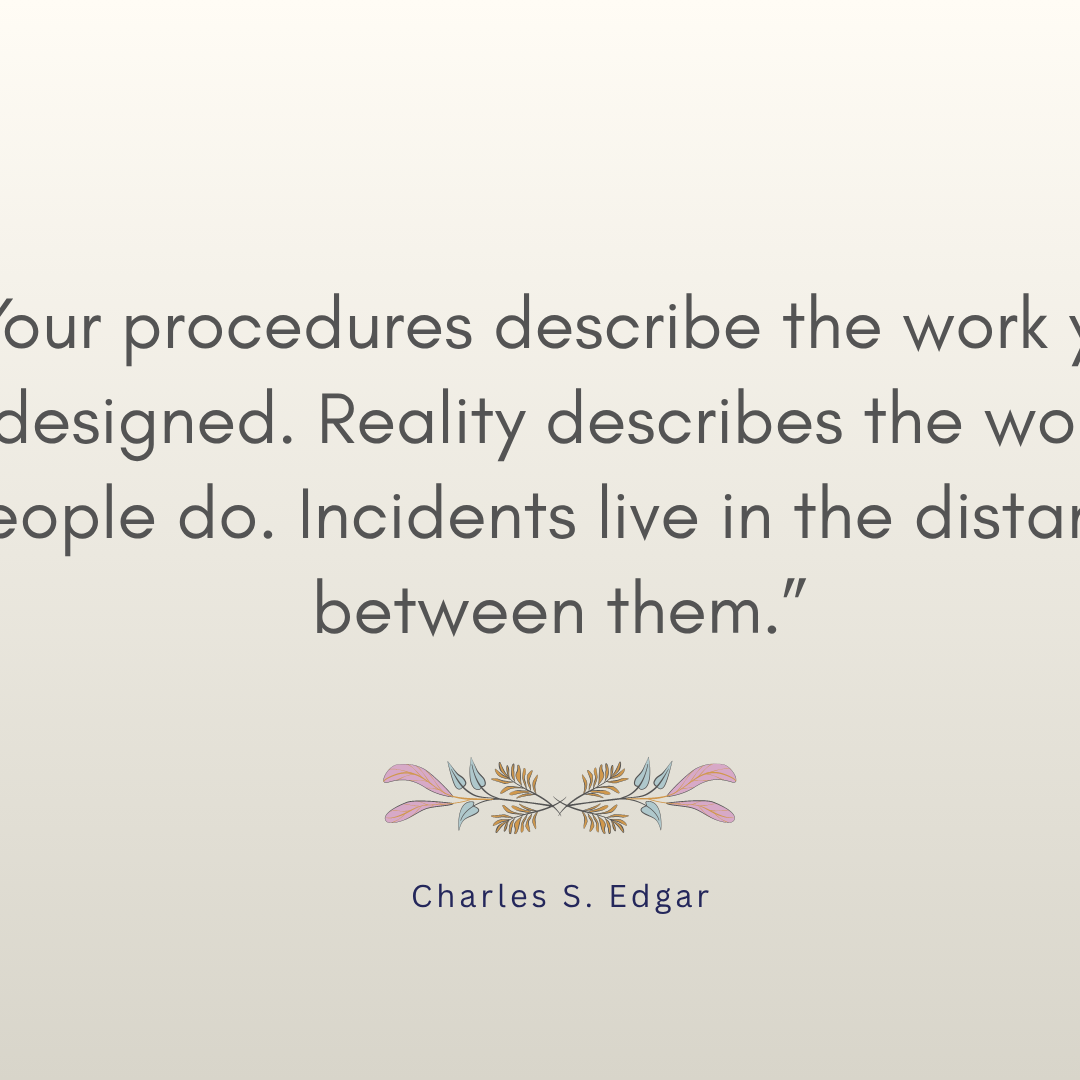
When procedures don’t match reality, people stop trusting the system.
The gap between work as imagined and work as done is where risk often begins.
Many procedures look effective on paper, yet fail to reflect the conditions, pressures, and adjustments people face in the field every day. And when that happens, workarounds quietly become the real process.
In my latest article, I explore a critical question:
📌 How do leaders close the gap between procedures and operational reality before normalised deviations become embedded in the system?

Competency #5: Owning Culture and Accountability
Who really owns the culture in your organization?
Is it defined by policies…
or by everyday behaviors?
Is accountability something enforced…
or something lived?
Many organizations talk about accountability, but in practice it’s often assigned upward or downward—rarely shared. And when ownership isn’t collective, culture becomes inconsistent.
In my latest article, I explore a critical competency:
📌 How do leaders create a culture where accountability is owned at every level—and becomes how the organization operates every day?
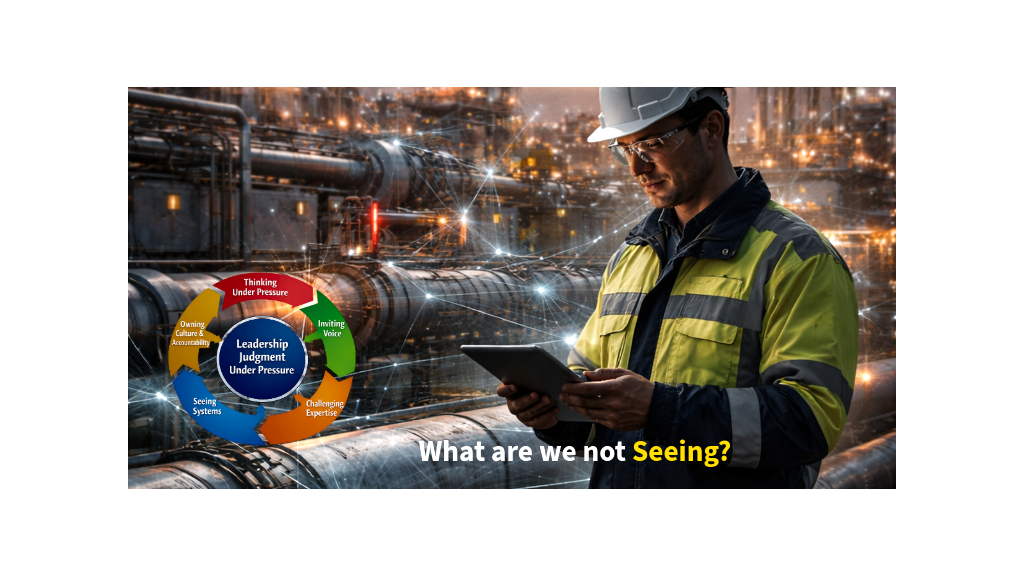
Competency #4: Seeing Systems
How well do we really see the system we’re operating in?
Do we focus only on the task in front of us…
or understand how everything connects?
Are we solving isolated issues…
or recognizing patterns across the system?
In many environments, decisions are made in silos, missing the wider interactions that shape outcomes. And when the system isn’t fully seen, unintended risks can emerge.
In my latest article, I explore a critical competency:
📌 How do leaders step back to see the whole system—and make better, more informed decisions?
In my latest article, I explore a critical competency:
📌 How do leaders create the conditions where expertise is respected—but still thoughtfully challenged?
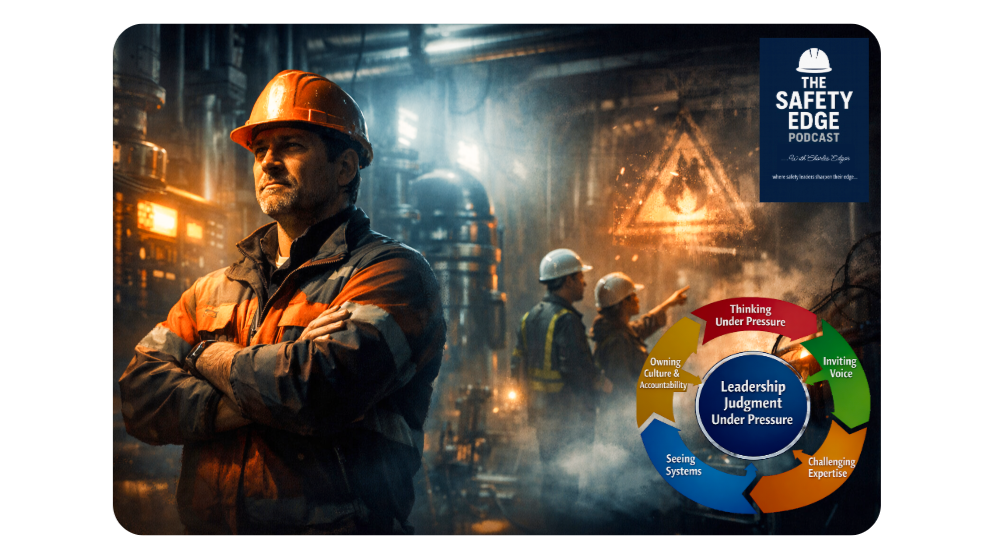
Competency #3: Challenging Expertise
When was the last time expertise was questioned in your organization?
Do decisions get explored…
or simply accepted?
Is experience examined…
or left unchallenged?
In many environments, expertise earns trust—but it can also create silence. And when no one tests the thinking, assumptions go unchecked and risk remains hidden.
In my latest article, I explore a critical competency:
📌 How do leaders create the conditions where expertise is respected—but still thoughtfully challenged?
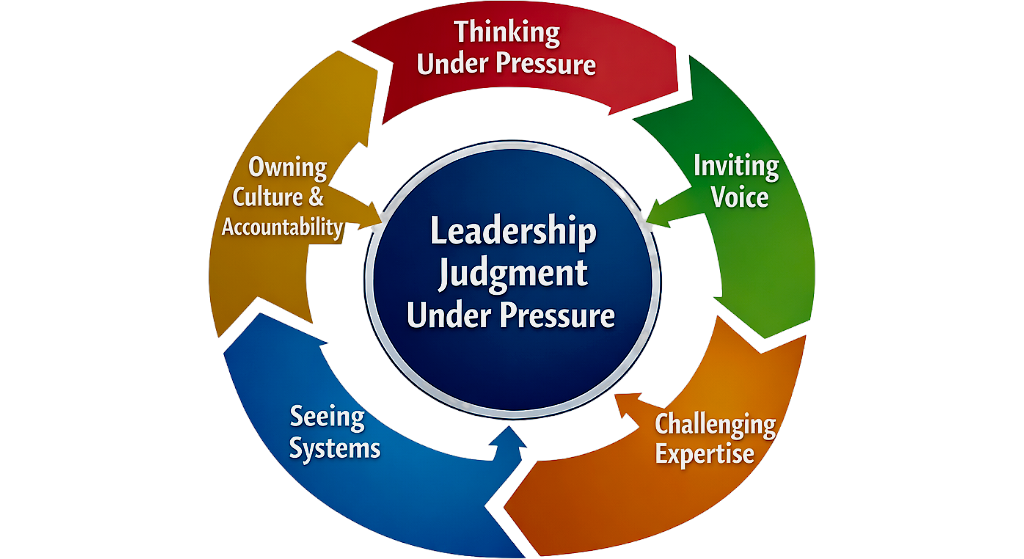
Competency #2: Inviting Voice
Who gets heard in your organization?
Is it the most experienced voice?
The most senior person in the room?
Or the one willing to speak up?
Many organizations say they value input—but in practice, not every voice carries the same weight. And when people don’t feel invited to contribute, critical insights remain unspoken.
In my latest article, I explore a key competency:
📌 How do leaders intentionally create space for others to speak, question, and contribute—especially when it matters most?

Leadership and Safety: It’s Not Just a Title
Who really shapes the safety culture in your organization?
Is it the CEO?
The HSE manager?
The supervisor on shift?
Most organizations assume leadership, and its impact on safety comes primarily from those with titles. But the reality on the ground often tells a very different story.
In my latest article, I explore a critical but often overlooked idea:
📌 Who has had the biggest influence on your safety mindset, a formal leader, or someone without a leadership title?
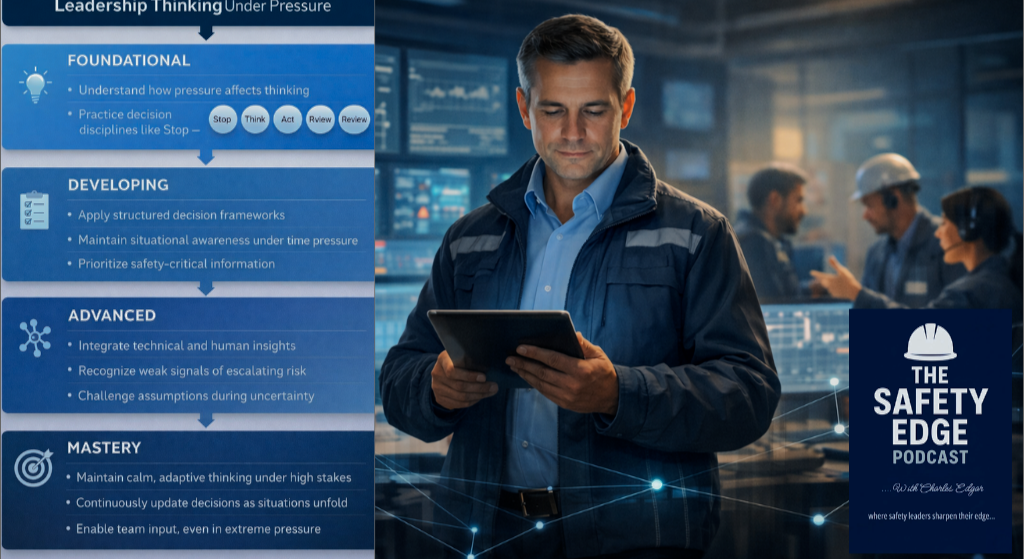
Thinking Under Pressure: The First Competency of “The Safety Edge Leadership Framework”
Most safety incidents are not caused by a lack of rules. 📌
They happen in moments when leaders must make decisions under pressure—when time is limited, information is incomplete, and the stakes are high.
In this edition of #TheSafetyLeadershipBrief, we explore the first competency in The Safety Edge Leadership Framework: #ThinkingUnderPressure, the ability to maintain clarity, discipline, and sound judgment when it matters most.
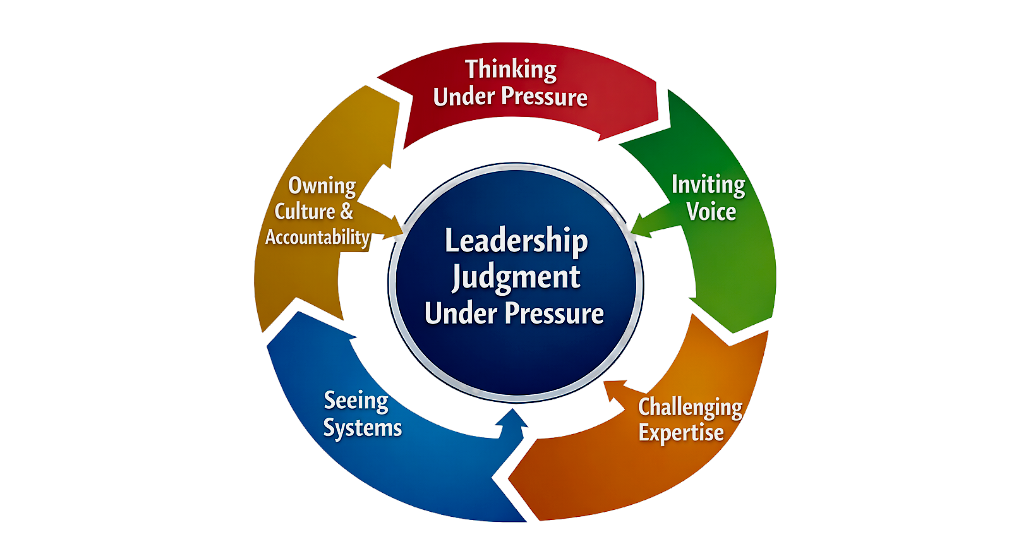
The Safety Edge Leadership Framework
In many high-risk industries, safety improvement efforts focus heavily on procedures, systems, and compliance mechanisms.
These things matter.
But when incidents occur, investigations often reveal a deeper pattern:
The organization had procedures.
The organization had policies.
The organization had training.
Yet something still went wrong.
Why?
Because safety outcomes are rarely determined by procedures alone.
They are shaped by how leaders think, listen, challenge, interpret systems, and model culture when pressure rises.
At the moment risk is decided, leadership judgment becomes the final control.
This is the core idea behind The Safety Edge Leadership Framework.
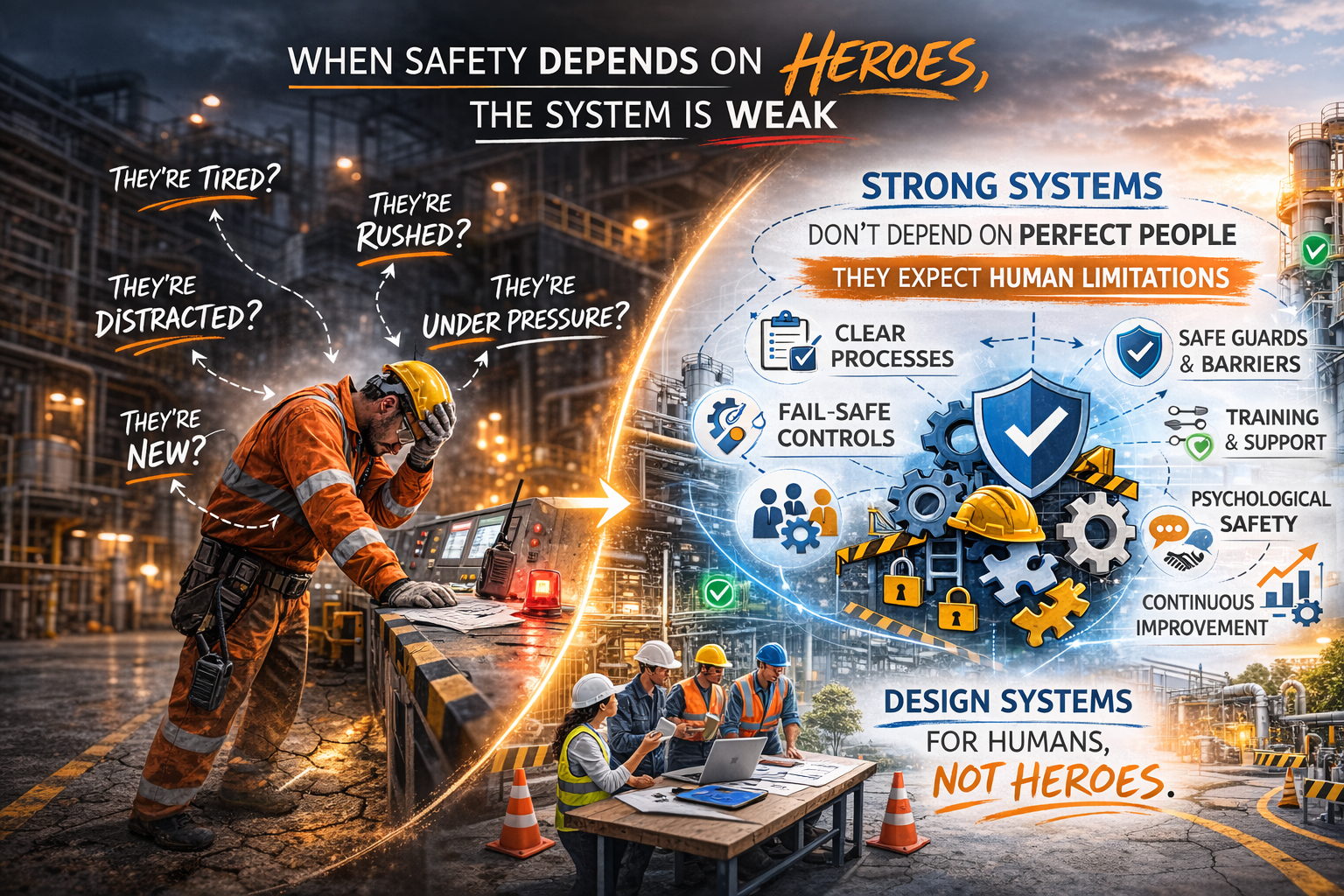
Does your Safety depend on Heroes?
Last week I heard someone say:
“We’re safe because we have very experienced people.”
That sounds comforting… until you ask:
What happens when:
They’re new?
They’re tired?
They’re rushed?
They’re under pressure?
They’re on vacation?
Strong systems don’t depend on perfect people.
They expect human limitations, and design for them.
Design systems for humans, not heroes.

What will be your Leadership Legacy?
What’s the best leadership advice you ever received?
As the sun sets and the next shift arrives, two generations pause.
One carries decades of lived experience, near misses, hard lessons, quiet wins, and deep respect for risk.
The other brings curiosity, energy, and the responsibility to carry that legacy forward.
Between them is not just a handover.
It’s a transfer of judgment.
Of standards.
Of care.
No procedure captures this moment.
No dashboard measures it.
Yet this is where culture is truly shaped.
Leadership lives here, in the questions we ask, the stories we share, and the time we choose to give.
Because in complex, dynamic environments, what we pass on matters as much as what we produce.cultures.

Season 3 is coming. Two Seasons down.
We've spent two full seasons challenging how leaders think, act, and communicate under pressure. Now we're going somewhere even more confronting.
If you've been following The Safety Edge Podcast, you already know we don't do surface-level safety talk. We dig into the decisions leaders make when it matters most — and why, even with the best intentions, things can still go wrong.

Season 2: Voice, Silence & Psychological Safety
Season 2 of The Safety Edge Podcast explores psychological safety, voice, and silence in high-risk organizations. Building on lessons from leadership under pressure, this season examines why compliance without engagement creates hidden risk, how silence becomes normalized, and what leaders can do to make speaking up safer than staying quiet. Focused on practical safety leadership, the series highlights how trust, inquiry, and open dialogue are essential to preventing incidents and strengthening learning cultures.
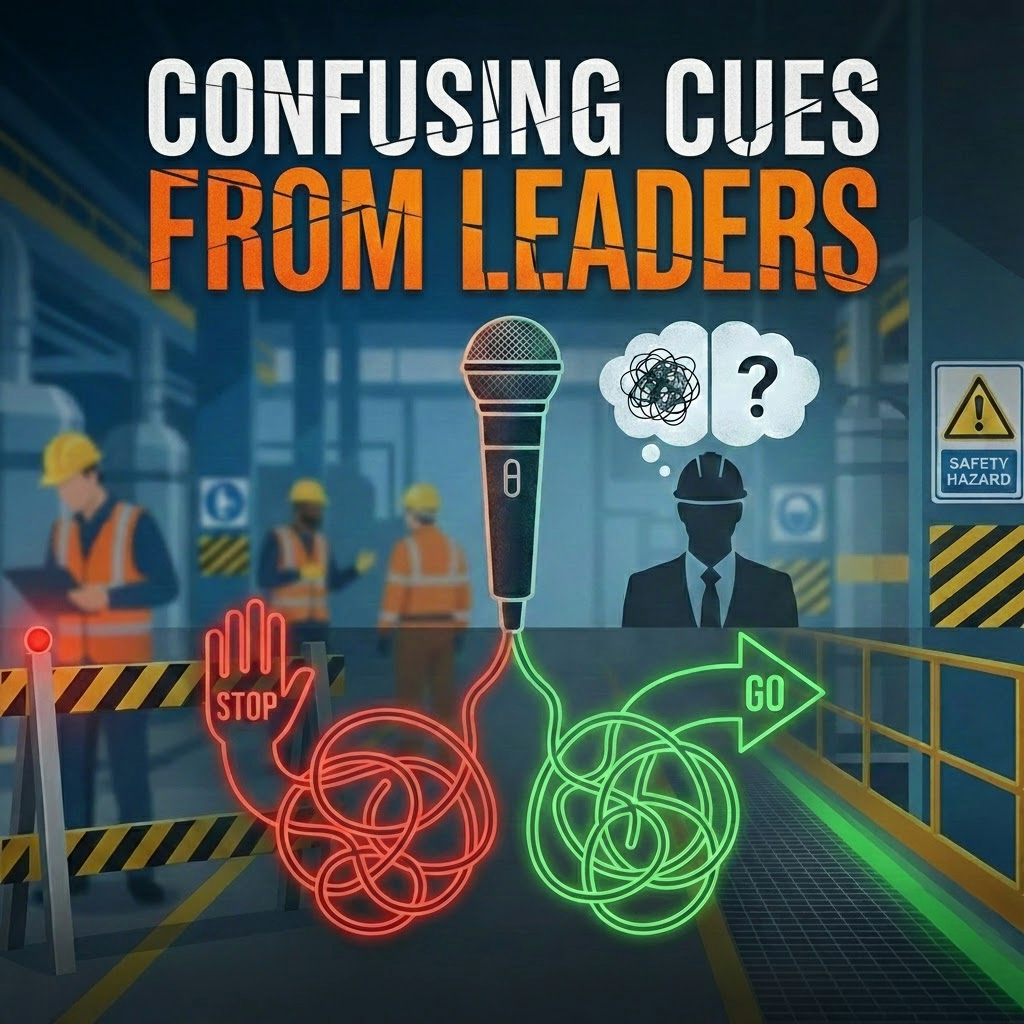
Aligning Values and Actions Under Pressure
Culture isn’t shaped by what leaders say in town halls or write in policy documents.
It’s shaped by what gets rewarded when pressure is high.
In safety-critical environments, leaders often speak clearly about values like safety, learning, and speaking up. Yet in the moments that matter most, different behaviors are reinforced. And teams quickly learn which signals truly count.
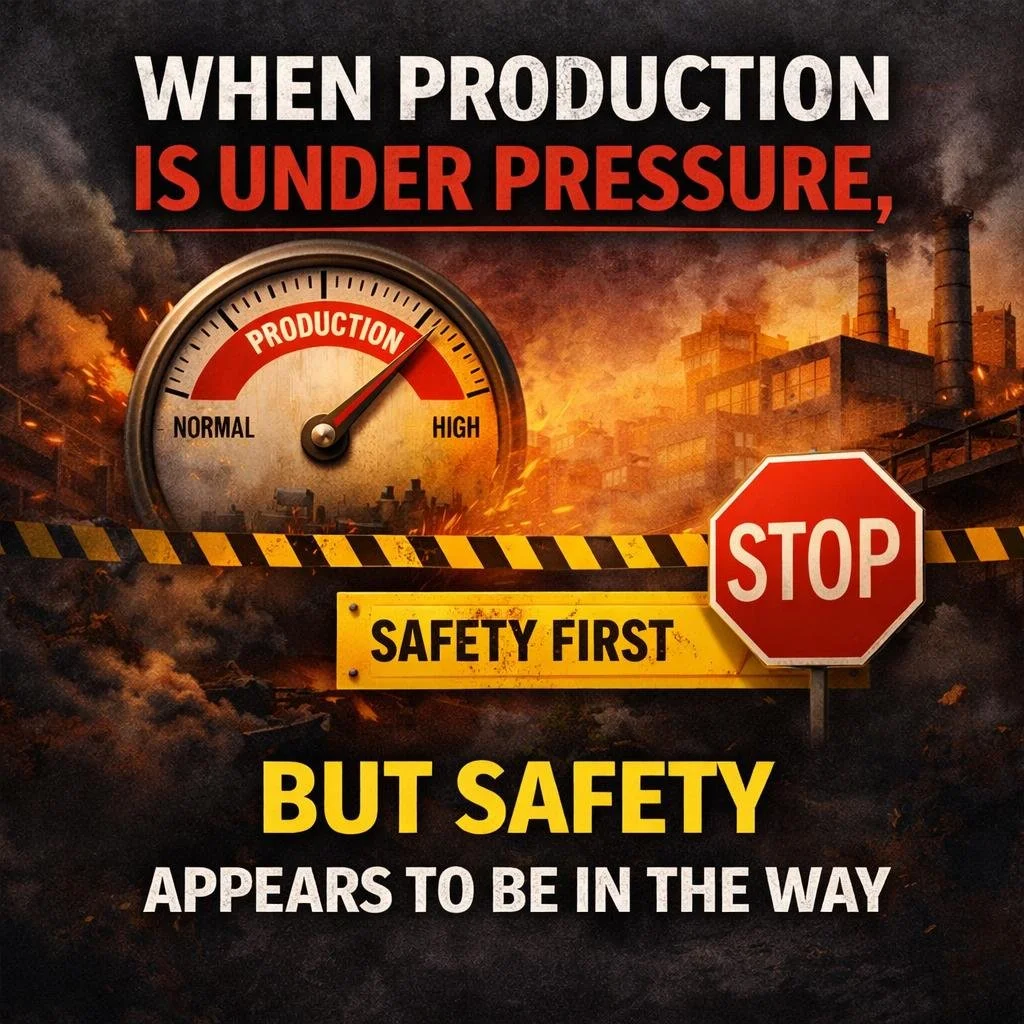
Urgency vs. Good Judgment in Safety Leadership
Every safety leader faces the pressure of deadlines, but what happens when urgency overshadows good judgment?
In our latest episode, we dive into the dilemma of urgency versus safety and how a coaching mindset can shift the narrative.

Beyond Compliance: How Coaching Elevates Safety Leadership
Compliance keeps us aligned with rules, but it does not guarantee safety. Real safety is shaped in moments of pressure, uncertainty, and competing demands. Beyond compliance, safety leadership requires curiosity, dialogue, and the ability to slow thinking when it matters most. A coaching mindset helps leaders surface hidden risk, keep learning alive, and lead safety one conversation at a time.
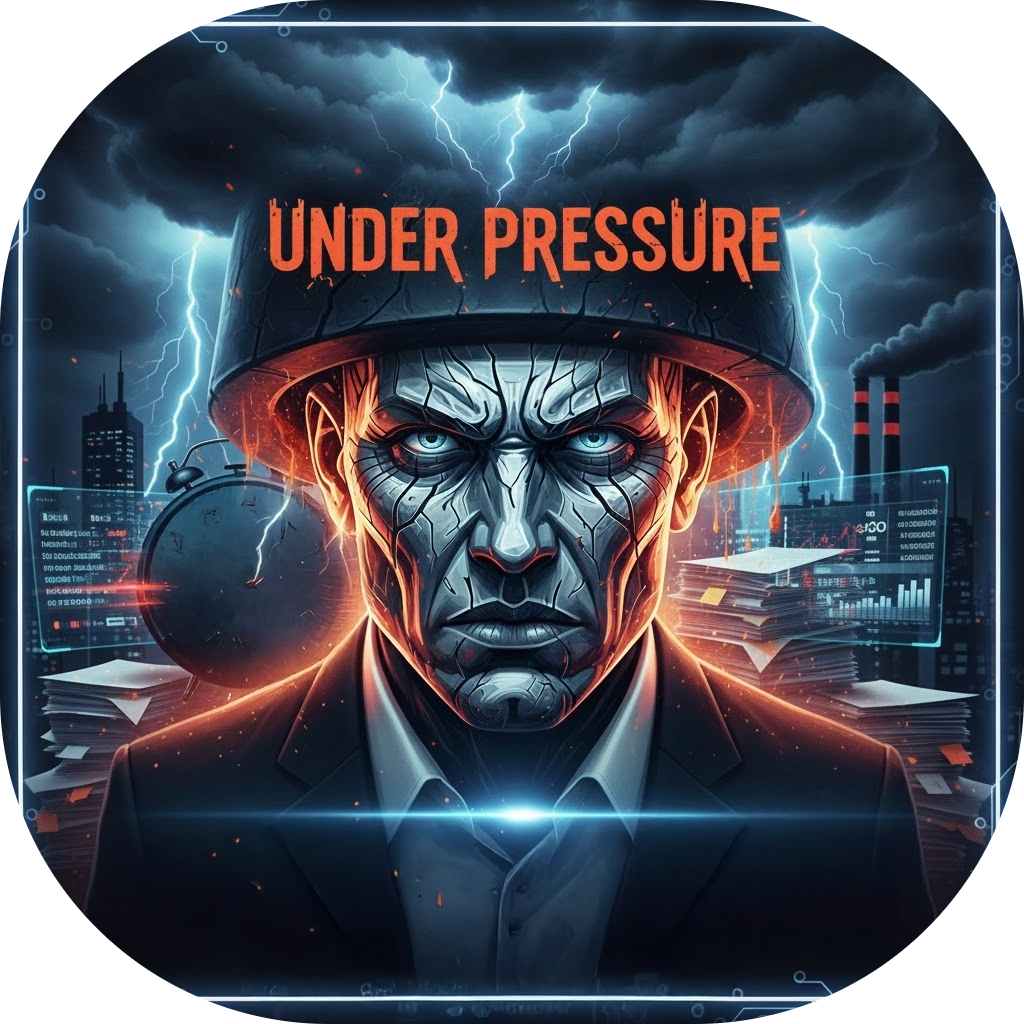
Season 1: Leadership Under Pressure
Pressure is not the problem. How leaders respond to it is. Season 1 of The Safety Edge Podcast, Leadership Under Pressure, explores what happens to safety when urgency compresses thinking. Through real leadership dilemmas and coaching style conversations, the season invites leaders to slow critical moments, expand awareness, and protect safety when it matters most.